call Booking
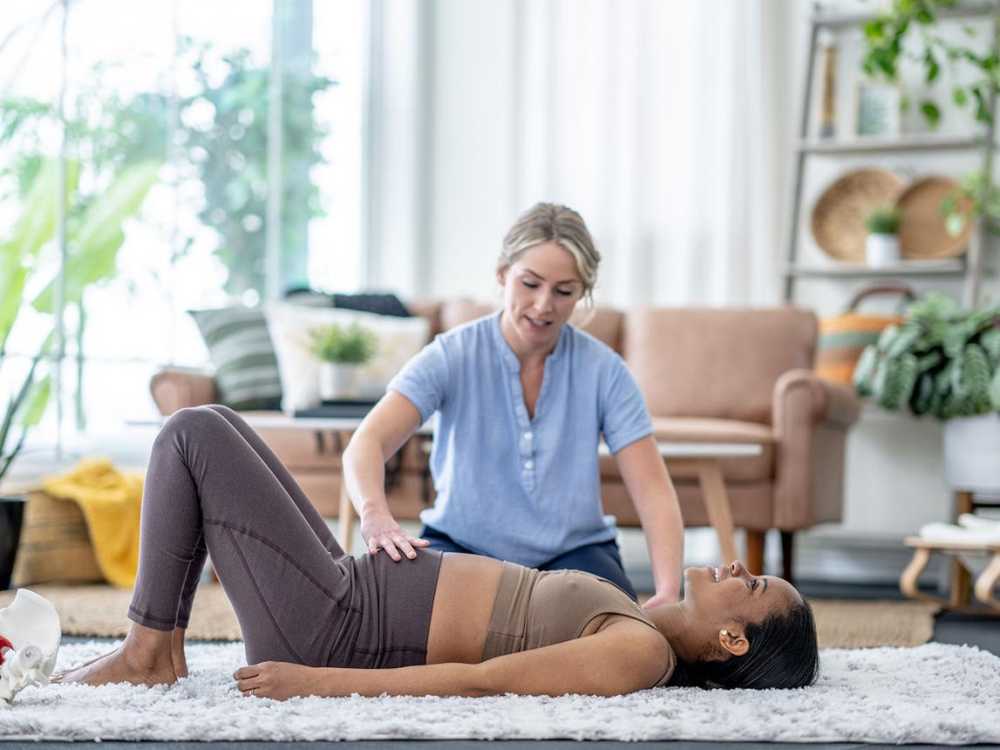
Do you leak urine while coughing, sneezing, or exercising?? Do you feel a sudden urge and can’t reach the toilet in time?
You may be experiencing urinary incontinence— a common but treatable condition affecting many women, especially after childbirth.
At Reliv, we focus on scientific, non-surgical and regenerative approaches to restore bladder control and improve quality of life.
Urinary incontinence is the involuntary leakage of urine. The two most common types are:
1. Stress Urinary Incontinence – leakage during coughing, sneezing, laughing, or physical activity
2. Urge Incontinence – sudden, strong urge to urinate with inability to hold
Your core is not just your abdomen. It includes:
Around 30–40% of women experience urinary leakage after childbirth
10–20% continue to have symptoms long-term
Pelvic floor training can reduce symptoms by 50–70%
Lack of rehabilitation increases long-term risk significantly
Early treatment gives the best results.
Bladder training (timed urination)
Avoiding constipation and straining
Fluid and caffeine regulation
Weight Loss Improves Symptoms
A 10–15% weight reduction can:
Reduce pressure on bladder
Improve symptoms significantly
Enhance treatment outcomes
Depending on severity, we offer:
Pelvic Floor Physiotherapy
Biofeedback
Electrical stimulation
Medications
Especially for urge incontinence
Regenerative Therapy (Prolotherapy)
Improves ligament support
Enhances pelvic stability
Supports long-term recovery
Yes—most cases are preventable and reversible.
Prevention includes:
Early postpartum core strengthening
Regular pelvic floor exercises
Healthy body weight
Lifestyle modification
Consult early if you have:
Leakage while coughing or exercising
Sudden urge with loss of control
Frequent urination affecting daily life
Symptoms after delivery
At Reliv, we combine:
Evidence-based physiotherapy
Core strengthening programs
Lifestyle and behavioural modification
Advanced regenerative treatments
? Our goal is complete functional recovery, not just temporary relief.
Urinary incontinence is treatable. You don’t have to live with it.
Book your consultation today and regain control with expert care.
 Book on WhatsApp
 back top